AMD Radeon RX 9070 XT: The GPU That Finally Makes Sense
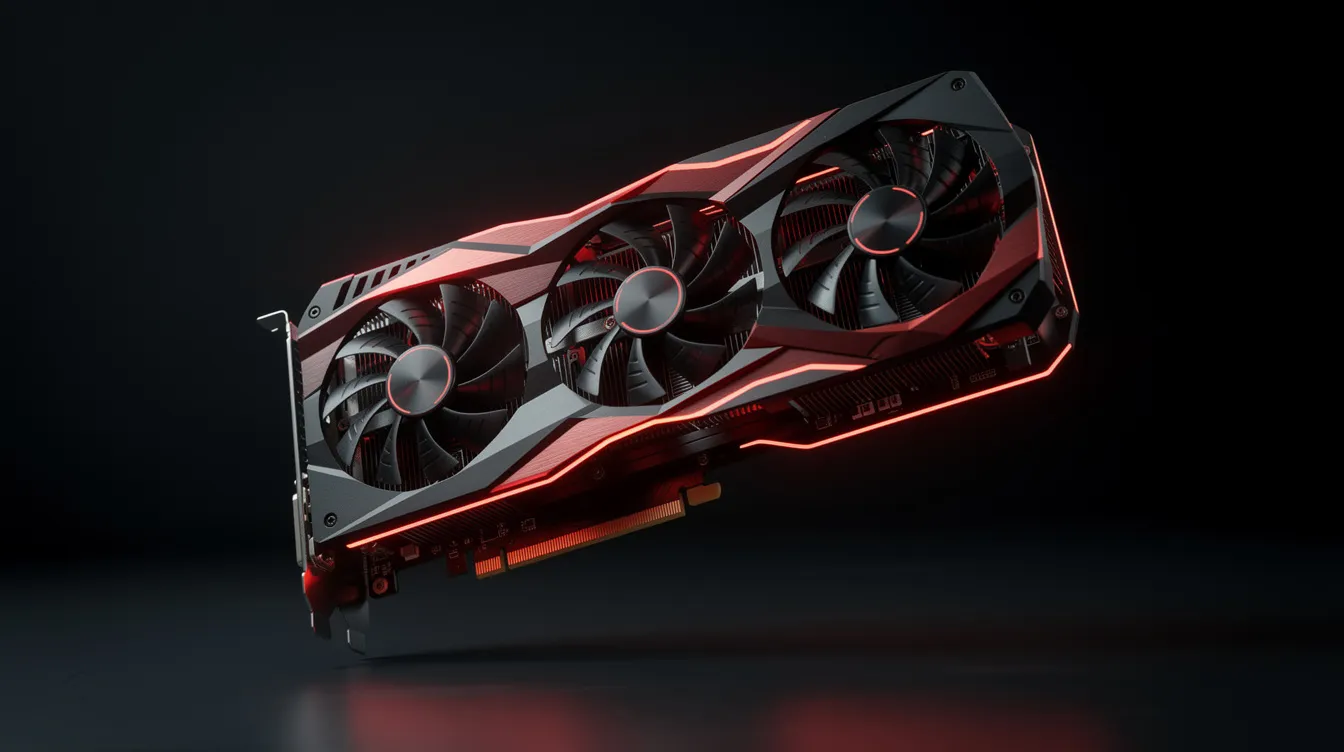
AMD's RX 9070 XT has landed, and it's the GPU that makes the most sense for most people in 2026. Not the absolute fastest, not the cheapest — but the one that balances performance, VRAM, and price in a way that actually respects your wallet.
Why the 9070 XT Matters
The GPU market has been frustrating. NVIDIA's high-end cards are priced like luxury goods. AMD's previous generation was solid but couldn't match ray tracing performance. The 9070 XT changes that equation.
16GB GDDR6 across the entire lineup means you're not hitting VRAM limits at 1440p or even 4K. Games are getting greedier with textures, and 8GB cards are already showing their age. 16GB gives you headroom through 2028 at least.
Ray tracing that actually works. Previous AMD generations lagged behind NVIDIA on RT performance. The 9070 XT closes that gap significantly — not quite matching the 5090, but close enough that the price difference stops making sense.
4nm process means better power efficiency. These cards run cooler and quieter than the 7000 series while delivering more performance.
The Cards Worth Buying
PowerColor Red Devil RX 9070 XT — The flagship. Best cooling, highest sustained clocks, built like a tank. If you're buying once and keeping it for years, this is the one.
XFX Mercury RX 9070 XT OC — Premium build with RGB if that matters to you. Slightly quieter than the Red Devil under load.
Gigabyte RX 9070 GAMING OC — Best value. Triple-fan cooling, factory overclock, lowest price among quality cards. The sensible choice for most builds.
Performance Reality
At 1440p high refresh, the 9070 XT is the sweet spot. You're looking at 100+ fps in most titles with settings cranked. Competitive games hit 200+ easily.
At 4K, it's capable but not dominant. Expect 60-80 fps in demanding titles, higher with FSR upscaling. If 4K120 is your target, you need the XT and realistic expectations — or NVIDIA's more expensive options.
Ray tracing is finally usable on AMD. Not quite NVIDIA levels, but good enough that you won't feel like you're missing out. Cyberpunk with RT on? Playable now.
What to Watch Out For
Card size — These are big GPUs. Triple-slot coolers stretching 320mm+. Measure your case before ordering.
Power requirements — Budget 300W for the card alone. A quality 750W PSU is the minimum; 850W gives you headroom.
XT vs non-XT — The standard 9070 is decent, but the XT's extra compute units make a noticeable difference at high resolutions. The price gap is worth it if you're gaming above 1080p.
The Verdict
The RX 9070 XT is what AMD should have shipped two years ago. Competitive ray tracing, generous VRAM, efficient architecture, and pricing that makes sense.
If you're building or upgrading in 2026, this is the GPU tier that delivers the best value per frame. The 9090 exists for those with money to burn, but the 9070 XT is where the smart money goes.
For detailed card-by-card comparisons, see Lensavi's full RX 9070 breakdown.
Published by Digitura — technology discovery and reporting.
More in Gadgets

Best 3D Printers 2026: The Machines Worth Buying
The 3D printer market has matured. AI monitoring, cloud printing, and sub-£500 quality that rivals last year's premium machines. Here are the standouts.
ASUS PG27UCDM: The 4K OLED Monitor That Changes Everything
240Hz, 0.03ms response time, true blacks. ASUS's new 27-inch OLED monitor sets the standard for gaming and creative work in 2026.

Google Pixel 10 Pro: AI-First Flagship Done Right
Google's Pixel 10 Pro combines Tensor G5, seven years of updates, and computational photography that embarrasses the competition. Here's why it matters.